


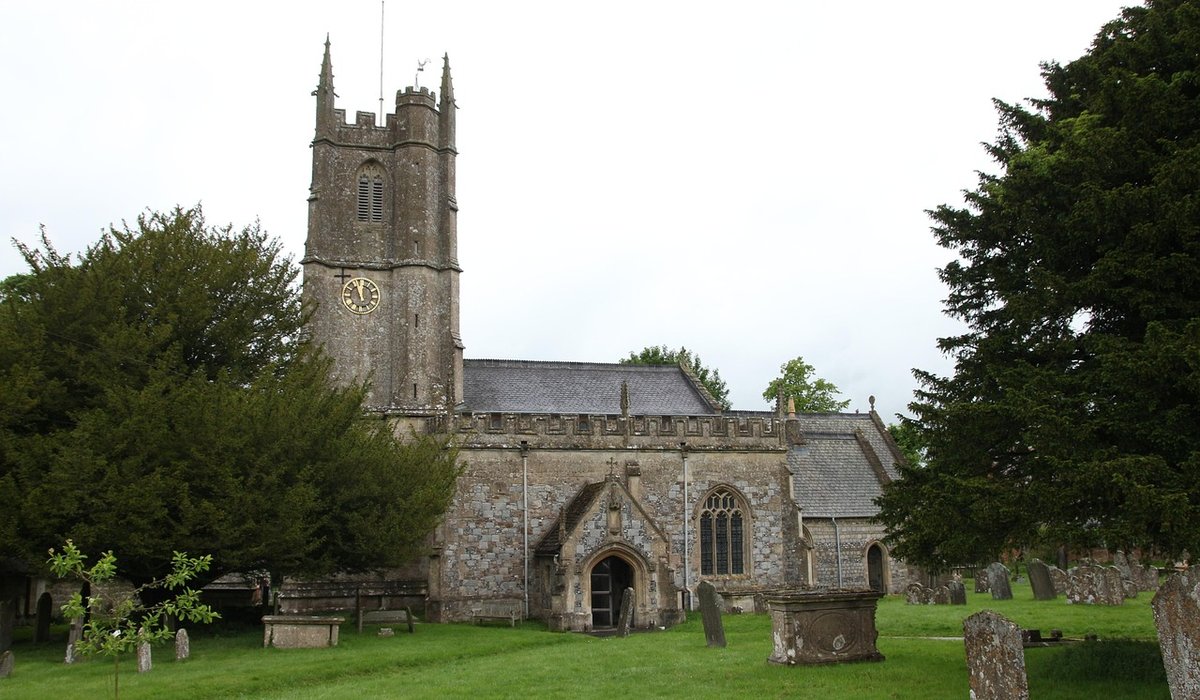
What Makes a Chapel Different
In England, "chapel" is a word with two lives. It can mean a small worship space tucked inside a larger church — a side chapel, a chantry, a family pew with its own altar. It can also mean a free-standing building raised by a congregation that was not part of the established Church of England. Both are worth seeking out, but it is the second kind that gives the small English chapel its particular character.
These are the buildings of the Baptists, Congregationalists, Methodists, Quakers, Unitarians, Presbyterians and Brethren. Some are Georgian meeting houses with box pews and a three-decker pulpit; others are plain Victorian halls with whitewashed walls and a harmonium. A few are corrugated-iron "tin tabernacles" from the 1880s that were meant to be temporary and are still standing a century and a half later. Estate chapels, cemetery chapels and railway mission rooms all fall into the same loose family. They tend to be small, unpretentious and quietly surprising.
Before You Set Off
Access is the first thing to check. Many chapels are cared for by a handful of volunteer keyholders, and opening hours can be seasonal or wonderfully erratic. A notice on the gate is often the most reliable guide, followed by the local parish office or village shop. Some are unlocked during daylight hours from Easter to October; others open only for services, harvest festivals or by arrangement. A phone call ahead is never wasted.
- Bring cash. Donation boxes are usually the only income a small chapel sees, and card machines are rare.
- Wear stout shoes. Brick and stone floors are uneven, and churchyard paths are often unmade.
- Park thoughtfully. Village lanes double as farm access. Leave gates as you find them, especially where livestock are grazing.
- Note the service times. Turn up mid-worship by accident and you will feel, and look, awkward — though you will almost certainly be welcomed.
Etiquette Inside
Chapel interiors are working rooms as much as heritage sites. Behave as you would in someone's front parlour that happens to hold a pulpit. Speak quietly, silence your phone, and remove hats. Modest dress is appreciated in rural and Free Church settings, particularly if a service is underway.
Do not step inside railed areas, sit on textiles, or move hassocks and hymn books about. Cupboards, vestries and the harmonium are out of bounds unless you are invited. Photography is usually fine in the main body of the building, but ask before photographing registers, memorials or members of the congregation, and never use flash near textiles or watercolours.
Sign the visitors' book — it is evidence of public interest and helps volunteers argue for grants. Leave the door as you found it. A propped-open door in a remote lane invites damp, wildlife and worse. Keep children close: gallery stairs are steep, iron railings are old, and Baptist baptisteries are sometimes open pools under a flagstone.
What to Look For
The architecture tells you what the congregation believed. Where the Church of England put the altar at the east end, the chapel put the pulpit in the middle, often raised, sometimes with a sounding board above it. Preaching was the point. Look for box pews with doors and painted family names, a west gallery where the singers and their instruments sat, and a plain communion table that was moved out when not needed.
Quaker meeting houses are plainer still: benches facing one another, no pulpit, no altar, and sometimes separate doors and stairs for men and women. Methodist chapels tend to be light and modest, with sash windows and a small organ. Look up at the roof — king-post trusses, later pine additions, patched plaster. Look down at ledger stones and brasses. Hat pegs, a cast-iron stove with a long flue, a roll of honour from the Great War: these are the fingerprints of a living community.
Step outside and read the burial ground too. Railed family plots, chest tombs, and the separate dissenters' burying grounds that appeared after the 1689 Toleration Act all reward a slow circuit.
History Hiding in Plain Sight
By the 1851 religious census, roughly half of those attending worship in England sat in a chapel rather than a parish church. In many villages, the chapel was the only sizeable building not owned by the squire or the parson, which made it a natural home for Sunday schools, friendly societies, temperance meetings and trade unions. Some later became barns, workshops or houses; a few were rescued and reopened.
The tin tabernacles deserve a mention. Cheaper than brick and quick to erect, they were meant to serve a growing congregation for a decade. Some are still in use, their iron sheets rusting along the seams, their interiors lined with matchboarding and hung with gas lamps converted to electricity.
Leaving It Better Than You Found It
Small chapels survive because volunteers open them, dust them and mend the gutters. Your part is simple. Put something in the box. Sign the book. Report damp patches, broken glass or vandalism to the keyholder rather than assuming someone else will. Resist the urge to tidy a windowsill — the jam jar of wildflowers is someone's arrangement.
Take your litter home, close the gate, and remember that a brief, respectful, curious visit is itself a form of support. These quiet rooms have held centuries of ordinary devotion. Treated gently, they will hold a few more.


Leave a reply