


Every parish church is a palimpsest, written and rewritten by generations of masons, carpenters, clergy and parishioners. Tracing its history is not just an academic exercise; it is a way of connecting with the people who worshipped, married and buried their dead within its walls. With patience and a notebook, you can uncover a remarkable amount from the building itself, from old maps and from parish records.
Begin with the building fabric
Stand outside and look at the church as a whole before focusing on details. The plan tells a story: a simple nave and chancel suggests an early foundation, whilst a later tower, aisle or porch reveals growing wealth or population. Look at the materials. Flint, limestone, sandstone and ironstone were often quarried locally, but imported stone or brick may point to a major rebuild or a Victorian restoration.
Walk around the exterior and note changes in stonework, roof lines and window tracery. Use these broad clues to date different phases:
- Norman work: round arches, heavy pillars, small deep-set windows
- Early English: narrow pointed lancet windows, simple tracery
- Decorated: flowing tracery, ogee arches, richer carving
- Perpendicular: vertical grid-like windows, flat roofs, fan vaults
- Victorian: polychrome brick, encaustic tiles, neat but machine-cut stone
Beware: Gothic Revival architects copied earlier styles faithfully. A date stone, a scratched sundial or a mason’s mark can help. Also look for reused fragments: a Roman brick in a wall, a carved stone reset above a door.
Step inside and read the interior
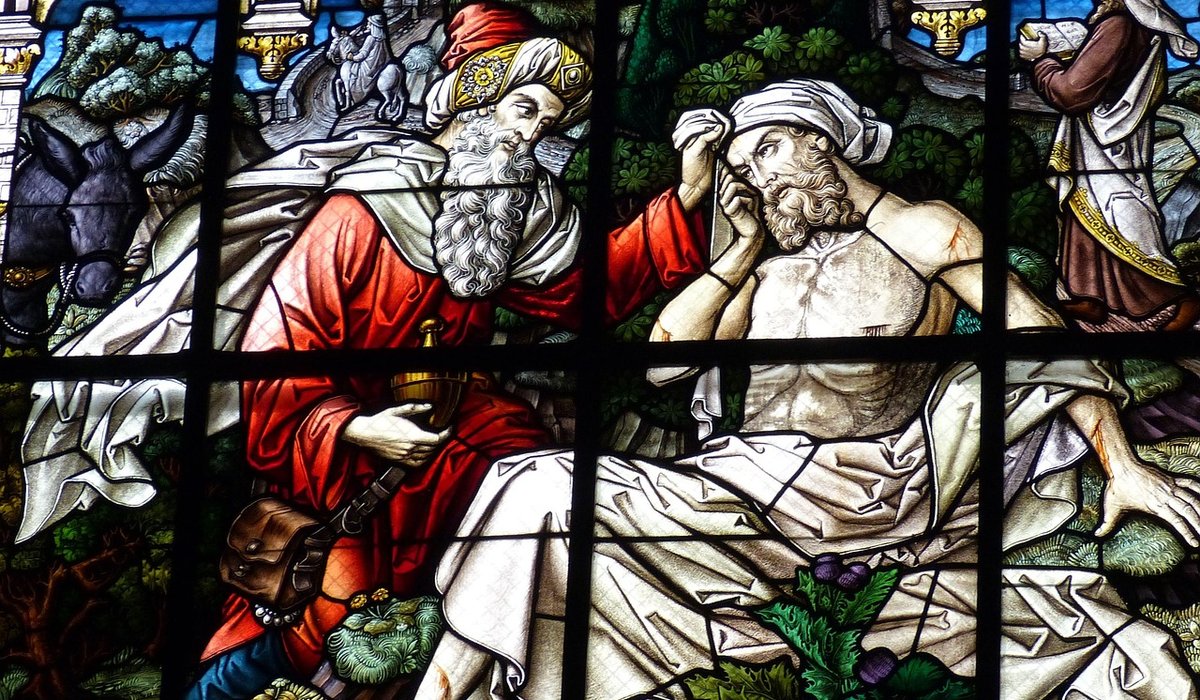
Inside, the oldest features are often the font, a doorway or a window. A massive circular font may be Norman; a lead-lined one might be later. Look at the chancel arch, the rood screen, the pulpit and the lectern. Bench ends, poppy heads and carved roof bosses can be mediaeval, whilst box pews and galleries usually speak of the 17th or 18th century. Wall paintings, often covered by whitewash after the Reformation, may survive as faint ghosts.
Monuments and brasses are a goldmine. They give names, dates, occupations and sometimes vivid details about clothing or heraldry. Hatchments, those diamond-shaped funeral boards, often hang in the nave. Victorian restorations frequently swept away mediaeval glass and plaster, but they also left their own marks: encaustic tiles, stained glass and neat oak benches. Note what is original and what is a later addition.
Use old maps to see the church in its landscape
Maps place the church in its setting. Start with the tithe map of around 1840, which shows the churchyard, glebe land and neighbouring plots. Enclosure maps and awards from the 18th and 19th centuries often mark the church and its access routes. Estate maps from the 17th and 18th centuries can be even earlier. Then compare with nineteenth-century national maps and later editions.
Look for changes: has the churchyard shrunk or expanded? Was there once a different path or a lychgate? Did a road cut through the churchyard? A church that now sits alone may once have had a village around it, deserted after the Black Death or later enclosure. Old maps also show rectories, tithe barns and chapels of ease, helping you understand the church’s role in the parish.
Mine parish records for names and dates
Parish records are the documentary backbone. Parish registers of baptisms, marriages and burials begin in 1538, though many start later. Bishops’ transcripts from 1598 provide a useful cross-check, especially where registers are damaged. Churchwardens’ accounts record repairs, purchases of books, bells and wine, and payments for seating or glazing. Vestry minutes deal with poor relief, roads and local taxation, often meeting in the church.
Look for faculty papers, which give permission for alterations, and glebe terriers, which describe the parsonage, church and lands. Most of these records are held at county record offices or diocesan archives. Local studies libraries often have transcripts, indexes and helpful staff. Take careful notes of document references, and photograph pages where allowed. Even a single name can lead you to a will, a probate inventory or a family history.
Cross-check your evidence and build a timeline
Architectural dating alone can mislead. A Norman-style font might be a 19th-century copy; a Perpendicular window may have been moved from another wall. Always set the building against the documentary evidence. Make a simple timeline: foundation, major rebuilds, additions, restorations, and changes to the churchyard.
Note what you cannot yet explain. A blocked doorway, a strange scratch dial, a monument to a stranger: these are prompts for further research. Share your findings with your local history society or archaeological group. They may have earlier photographs, drawings or notes. The joy of tracing a parish church is that the story is never quite finished. Each generation leaves its mark, and by reading those marks carefully, you add your own chapter to the church’s long history.


Leave a reply