


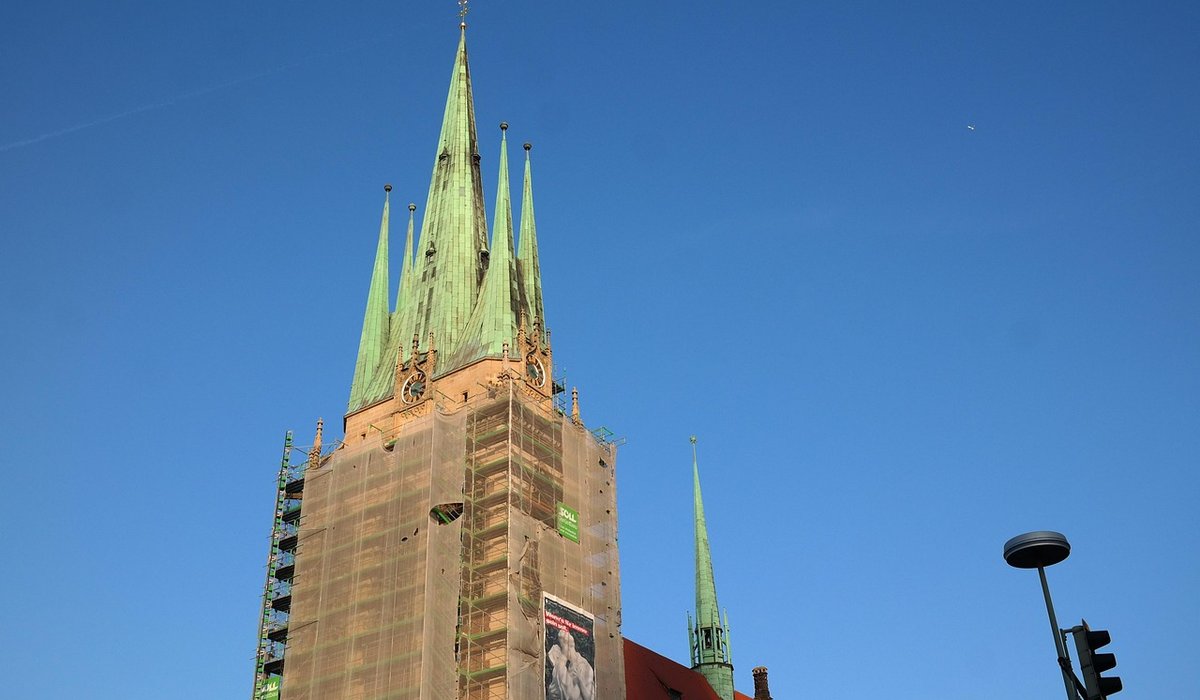
The Tower as a Landmark
Stand at the edge of almost any English village and the first thing you will see is the church tower. It rises above the rooflines, often the oldest and tallest structure for miles, a fixed point in a shifting landscape. The tradition began in earnest with the Saxons, who built simple square towers as part of their churches, sometimes with narrow openings and long-and-short quoins at the corners. The Normans followed with heavier, broader towers, often with round arches and tiny windows. By the Gothic period, English masons were reaching ever higher, creating towers that were both practical and deeply symbolic. These were not merely architectural flourishes; they were statements of faith, power and community identity that have shaped rural life for centuries.
Why Build a Tower? Defence, Bells and Status
Medieval church towers were multi-purpose. First and foremost, they were lookout points. In turbulent times, a high tower gave advance warning of fire, flood or approaching trouble. Some towers retain traces of defensive features, such as thick walls and narrow slit windows. Second, they housed bells. A single bell called the faithful to prayer, marked the hours and rang the curfew. Over time, rings of bells were installed, turning the tower into a musical instrument and a focal point for village celebrations. Third, towers were status symbols. A wealthy wool merchant or a prosperous parish would fund a grand tower to display its piety and prosperity. The taller and more ornate the tower, the greater the statement. In this sense, the tower was a vertical billboard for the community's pride.
Reading a Tower's Story in Stone
You can date a tower with surprising accuracy by looking at its details. Saxon towers often have long-and-short stonework at the corners and simple, triangular-headed openings. Norman towers are sturdy and round-arched, with small windows and sometimes a semi-circular apse attached to the church. Early English Gothic towers have pointed lancet windows and little decoration. Decorated towers add tracery and carved details. Perpendicular towers, the most famously English, are tall, square and covered in panelled stonework, with large windows and intricate battlements. Look for a stair turret, often a small projection on one side, which gave access to the bell chamber. Buttresses, battlements and pinnacles all tell you about the tower's age and the masons who built it. Every course of stone is a record of local geology and skill.
Regional Characters: Wool, Wealth and Wind
English church towers vary dramatically by region. In Somerset, the towers are slender and highly decorated, often with elaborate pinnacles and carved figures. The so-called wool churches of the Cotswolds and East Anglia are particularly grand, funded by the medieval wool trade. East Anglian towers are often round, especially in Norfolk and Suffolk, where flint was plentiful and round towers were easier to build with the local stone. In Lincolnshire and Yorkshire, towers tend to be broader and more austere, reflecting the gritstone and limestone of the north. Coastal towers sometimes doubled as landmarks for sailors, whilst those in the Fens were built on firm ground to resist subsidence. This regional variety means that a tower is also a map of local materials, climate and economy.
The Tower at the Heart of Village Life
For centuries, the tower was the village's clock, alarm and gathering point. The bell ringers were often a close-knit team, and ringing became a competitive sport as well as a service. A peal of bells marked weddings, funerals, coronations and victories. The tower also served as a store for valuables and sometimes as a prison for minor offenders. In many parishes, the tower was the only public building large enough for meetings. Today, that role continues in quieter ways. Bell ringing still thrives in many villages, and towers are opened for heritage days. Maintenance, however, is a constant challenge. Stonework erodes, timbers decay and bells need rehanging. Local fundraising, grant schemes and the efforts of volunteers keep these structures standing.
Looking Up: Appreciating and Caring for Our Towers
Next time you visit a village, take a few minutes to look up. Notice the different phases of building, the patchwork of repairs, the small carved faces or scratch dials that mark the passage of time. If the tower is open, climb it if you can. The view from the top explains exactly why it was built there: you can see the surrounding fields, the next village and the old roads. If you want to support this heritage, join a local church preservation trust, attend a bell-ringing practice or simply donate to the upkeep fund. These towers are not museums; they are living parts of the community. By understanding why they dominate the skyline, we ensure that they continue to do so for generations to come.


Leave a reply