


Why Remote Churches Reward Careful Planning
Some of the finest church architecture in Britain stands where you would never pass by accident: at the end of a farm track, half a mile from the nearest village, on a hillside with nothing but sheep for company. Many survive precisely because they were left alone. Where a settlement shrank after the Black Death, or a turnpike or railway bypassed a town, the parish church was stranded — and with it Norman doorways, medieval wall paintings and timber roofs that wealthier town churches lost to Victorian rebuilding.
The catch is that remoteness makes them unpredictable. A little preparation turns a wasted detour into one of the best afternoons of your year.
Establish Whether It Will Actually Be Open
Assume nothing. Rural churches range from those open daily from dawn to dusk to those locked except for Sunday services, and the pattern can change with the seasons or a change of incumbent. Before you set out, check the parish or benefice website for a visiting page rather than trusting an old directory listing. Confirm that opening hours are not seasonal — many remote churches open only between Easter and October, and only in daylight.
Look for a keyholder scheme, where a nearby farm or cottage holds the key and a notice on the door gives a telephone number. Check whether the church is closed for roof repairs, which can last many months, and check service times: Sunday morning is the worst moment to arrive with a camera, and funerals or weddings can close a church at short notice.
If you cannot confirm anything online, telephone the parish office or a local information centre. Better to be told "locked, but ring the farm" than to walk two miles to a padlocked door.
Work Out How You Will Get There
Rural postcodes are unreliable — a single code can cover several square miles of fields — so use a large-scale walking map and a grid reference instead. Compare that with satellite imagery to see whether the track to the church is a metalled lane or a green way that turns to liquid after rain.
- On foot: check whether your route is a public footpath, a permissive path the landowner may close, or a bridleway. Expect stiles, kissing gates and mud.
- Livestock: close every gate behind you, keep dogs on a short lead around sheep and cattle, and never enter a field containing a bull.
- By car: never block a farm gate, passing place, field entrance or the churchyard lychgate. Often the only sensible option is to park in the nearest village and walk the last mile.
- By public transport: rural buses may run twice a week, may be request-stop only, and may not run at all on Sundays. Note the time of the last return journey before you set off, not after.
Pack for the Weather and the Ground
Remote churches come with no shop, no café and often no toilet. Take water, a torch for dim interiors and roof spaces, and waterproofs whatever the forecast promises — upland and coastal weather turns quickly. Sturdy boots are essential, because churchyards are uneven and leaning memorial stones are a genuine trip hazard. Mobile signal can be nonexistent, so tell someone where you are going and when you expect to be back. In summer, pack insect repellent and check yourself for ticks after crossing rough grazing.
Behave as a Guest, Not a Tourist
These are living places of worship, not ruins in a theme park, and the goodwill that keeps them open depends on visitors behaving well.
- Sign the visitors' book and leave a donation; many of these buildings are maintained by a handful of volunteers.
- Do not move hassocks, kneelers, flowers or pew Bibles, and never lift a brass or touch a wall monument to read it.
- Gravestones can be unstable. Read inscriptions from a respectful distance rather than leaning on them.
- Churchyards are wildlife havens — unsprayed grassland, lichens, bats in the roof. Keep to paths during nesting and wildflower seasons.
- Leave gates as you find them, take litter home, and keep your voice low if others are praying or visiting a family grave.
Make the Most of What You Find
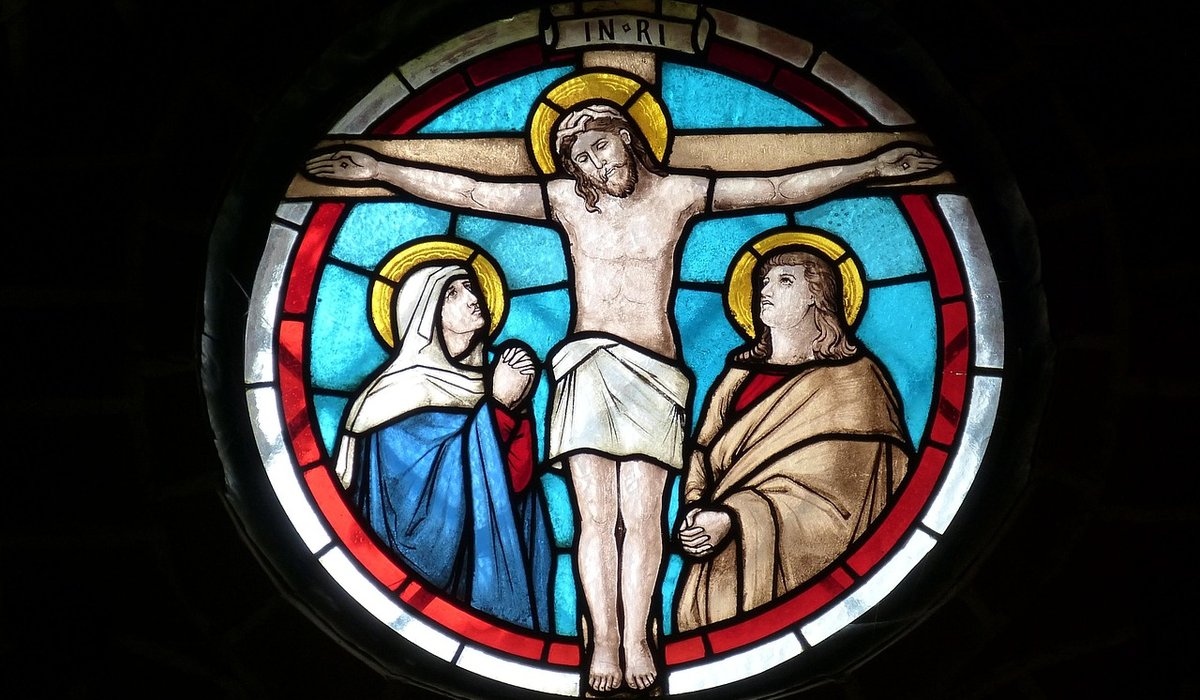
Once inside, slow down. Look for the small evidence of centuries of use: scratch dials beside the porch, reused Roman or Saxon stone in the walls, a blocked north doorway, carvings on corbels and bench ends, and the hollow worn into the threshold by generations of feet. A torch and binoculars let you study roof bosses and stained glass properly.
Before you leave, note the church's dedication and buy any guidebook or leaflet on sale; they often reveal a history far stranger than the quiet setting suggests. Many counties publish church trails linking several remote churches in a single day, which is an excellent way to make the journey worthwhile. Go prepared, go quietly, and these forgotten places will repay you handsomely.


Leave a reply